Blockchain technology has rapidly emerged as one of the most transformative innovations of the 21st century, underpinning cryptocurrencies, decentralized finance (DeFi), and a wide array of digital applications. Its promise lies in creating secure, transparent, and immutable digital records without relying on a central authority.
What is Blockchain?
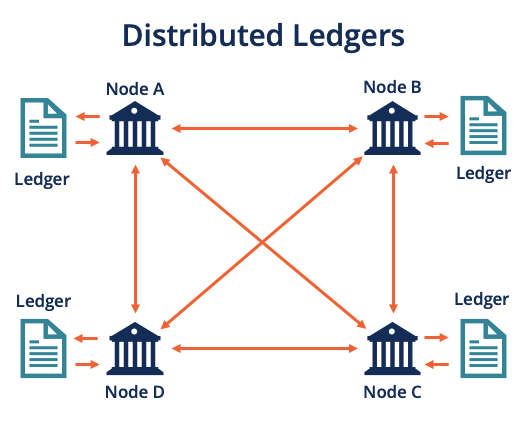
At its core, a blockchain is a distributed ledger that records transactions across a network of computers, called nodes. Unlike traditional databases, which are centralized and controlled by a single entity, blockchain allows every participant in the network to maintain a synchronized copy of the ledger.
Each block in the chain contains:
- Transaction data – the information being recorded.
- Timestamp – marking when the block was created.
- Hash of the previous block – linking it to the prior block, ensuring continuity.
- Unique hash – a digital fingerprint that secures the block’s data.
This structure makes the blockchain tamper-resistant, as altering one block would require changing all subsequent blocks across every node in the network—a nearly impossible task in large-scale networks.
Key Features of Blockchain
- Decentralization: By distributing the ledger across multiple nodes, blockchain eliminates the need for a central authority, reducing single points of failure.
- Transparency: Transactions are visible to all network participants, fostering trust and accountability.
- Security: Cryptography ensures data integrity and protects against unauthorized modifications.
- Immutability: Once recorded, data on the blockchain cannot be altered without consensus, providing a permanent record of transactions.
- Smart Contracts: Self-executing contracts coded into the blockchain allow automatic execution of agreements when certain conditions are met, enabling decentralized applications (dApps).
Applications of Blockchain
Blockchain technology is no longer limited to cryptocurrencies like Bitcoin and Ethereum. Its potential spans numerous industries:
- Finance: Blockchain enables faster cross-border payments, transparent record-keeping, and decentralized finance (DeFi) protocols.
- Supply Chain Management: Tracking goods from origin to consumer ensures authenticity and reduces fraud.
- Healthcare: Secure storage of patient records and verification of medical data.
- Voting Systems: Blockchain-based voting can reduce election fraud and increase voter confidence.
- Digital Identity: Providing secure, verifiable identity management for individuals online.
Challenges and Limitations
Despite its potential, blockchain faces hurdles:
- Scalability: Popular blockchains like Bitcoin and Ethereum face slow transaction speeds during peak demand.
- Energy Consumption: Proof-of-work blockchains require massive computational resources, raising environmental concerns.
- Regulatory Uncertainty: Governments are still developing frameworks for blockchain usage, especially for cryptocurrencies.
- Interoperability: Different blockchains often cannot communicate with each other seamlessly.
The Future of Blockchain
The blockchain ecosystem continues to evolve. Proof-of-stake, layer-2 solutions, and interoperable blockchains are addressing scalability and energy challenges. Beyond finance, industries such as real estate, gaming, and intellectual property management are exploring blockchain for secure, transparent, and decentralized solutions.
As blockchain matures, its ability to disrupt traditional systems and foster innovation could fundamentally reshape the digital economy, making transactions safer, faster, and more equitable.