The California Institute of Technology, commonly known as Caltech, is one of the world’s leading science and engineering institutions. Located in Pasadena, California, it is renowned for its rigorous academics, cutting-edge research, and contributions to global scientific advancement.
History and Foundation
Founded in 1891 as Throop University, Caltech evolved into a prestigious institution focused on science and engineering by the 1920s. Under the guidance of visionary leaders like Robert A. Millikan, the institute attracted top faculty and established research centers that would drive innovations in physics, chemistry, and space science.
Academic Excellence
Caltech is small in size but mighty in impact. With around 2,200 undergraduate and 1,300 graduate students, the student-to-faculty ratio is low, allowing for close mentorship. It offers programs in:
- Engineering and Applied Science
- Physics and Astronomy
- Biology and Chemistry
- Earth and Planetary Sciences
- Mathematics and Computer Science
The institute emphasizes research from the undergraduate level, with students often participating in groundbreaking projects alongside faculty.
Research and Innovation
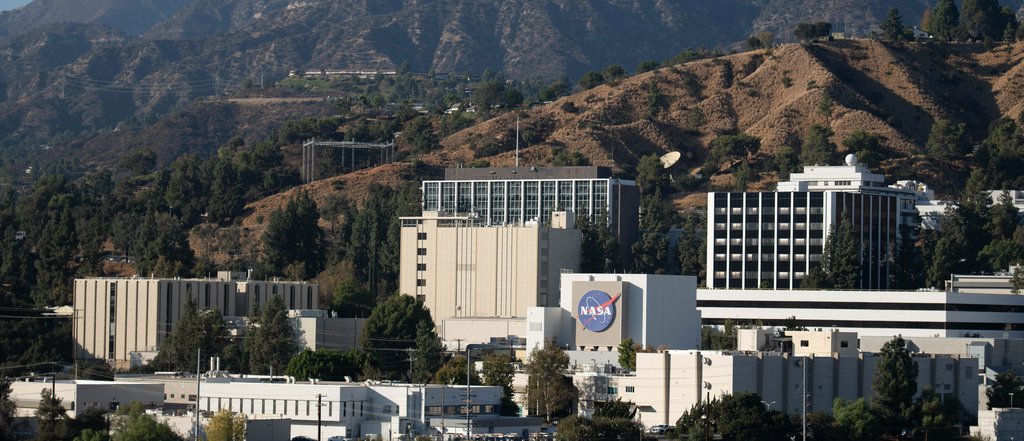
Caltech’s research contributions are vast and influential. The institute manages the Jet Propulsion Laboratory for NASA, playing a key role in missions to Mars, Jupiter, and beyond. It also leads in areas like:
- Quantum computing
- Astrophysics
- Environmental science
- Biotechnology
Caltech’s commitment to innovation is reflected in its numerous Nobel laureates, Turing Award winners, and other distinguished scientists.
Campus and Culture
The Caltech campus is compact but vibrant, combining historic architecture with modern laboratories. The culture encourages collaboration, creativity, and curiosity, often summarized by its unofficial motto: “The truth shall make you free.”
Despite its intense academic environment, Caltech fosters a tight-knit community through traditions, student organizations, and outreach programs.
Global Impact
Caltech graduates have gone on to lead major scientific initiatives, influence technology development, and contribute to global policy on science and engineering. Its pioneering work in areas like space exploration, quantum physics, and artificial intelligence has shaped the modern scientific landscape.
Conclusion
The California Institute of Technology stands as a beacon of excellence in science and engineering. Its combination of small-scale personalized education, world-class research, and a culture of curiosity ensures it continues to be a leader in shaping the future of technology and scientific discovery.